Capital Edge Q2 2026
Welcome to the twelfth edition of Capital Edge
Associated Contact
Head of Capital Markets, Pacific

Across sectors, several trends have emerged in H1;
Another year, another black swan event. Yet investors have shown a remarkable level of resilience to market volatility, increasingly looking through short-term disruption and using periods of uncertainty to position themselves in high-quality or significantly repriced assets.
The volatility experienced across key market indicators during the first half of the year highlights the environment investors have been navigating:
| H1 '26 low | H1 '26 high | |
|---|---|---|
| Consumer sentiment* | 58.8 | 75.9 |
| AUD to USD | 0.66 | 0.72 |
| Aust 10-year bond rates | 4.65% | 5.15% |
| Oil Price | $59 USD | $118 USD |
| All in debt costs** | 5.00% | 5.70% |
**Estimated all-in cost of debt – Prime Office
Volumes increased year-on-year across every asset class, with momentum sustained through to June. The widely anticipated slowdown failed to materialise, with retail recording the highest transaction activity YTD at $6.1 billion.
For some time, the market has highlighted the growing spread between prime and secondary assets. We believe this divergence is set to accelerate. We have seen pricing for non-core assets in secondary locations reset in H1 2026, providing clearer evidence of the widening gap between premium and secondary stock.
Office commenced the year as investors' preferred asset class for the first time since 2019, according to CBRE's Investor Intentions Survey. While office demand continues to strengthen, retail has arguably been the market's strongest performer. Investor appetite for retail assets has been insatiable, making it the clear standout across all sectors.
Changes to tax legislation announced in the May Federal Budget are expected to broaden the investor base, encouraging a rotation of private capital away from residential real estate and towards higher-yielding commercial property. This trend is likely to provide an additional source of liquidity and support transaction activity over the medium term.
In this edition, we examine Industrial, Private Wealth and Agribusiness, three areas that highlight how capital is adapting, repositioning and seeking its next opportunity.
-
Major Report
Australian Capital Flows Report – H1 2026
Explore the latest Capital Edge insights on investment trends, market movements and the forces shaping Australia's commercial real estate landscape.

-
Capital Spotlight
-
Article

-
Article

-
Article

-
Article | Intelligent Investment
Business Insights | Australian Real Estate Investment Defies Global Headwinds in H1 2026
Australian real estate investment rises 16% in H1 2026 as all sectors record growth despite global uncertainty.
-
Article | Intelligent Investment
Business Insights | Brisbane 2032: A Long-Term Catalyst for Industrial & Logistics Growth
Brisbane 2032 is set to strengthen industrial property through infrastructure, growth and freight connectivity.
-
Article | Evolving Workforces
Business Insights | 5 Questions for Sam Saghir-Pashley
An insight-led conversation with Sam Saghir-Pashley on navigating global capital markets, building a career across continents, and why data centres and industrial assets are attracting unprecedented investor demand.
-
Article | Intelligent Investment
Business Insights | Quick Service Restaurants: A Defensive Asset Class Gaining Momentum
With over $418 million in transactions since 2025 and consistent yields, Australia’s fast-food sector is proving its strength as a defensive, high-demand asset class.
-
Article | Intelligent Investment
Business Insights | Property Spotlights From Industrial
A look at landmark industrial, logistics and life sciences deals driving capital markets activity in Australia.
-
Article | Intelligent Investment
Business Insights | Property Spotlights From Private Wealth
Explore the latest private wealth opportunities across industrial, retail and convenience assets attracting strong investor interest.
-
Article | Intelligent Investment
Business Insights | Property Spotlights From Agribusiness
Explore the latest agribusiness property opportunities, from productive landholdings to assets backed by scale, water security and growth potential.
CBRE Eyes Next Office Market Growth Cycle with Strategic Melbourne Appointment
Associated Contact
Director, Capital Markets, Melbourne

Based in Melbourne, Harrison joins from investment banking firm Barrenjoey, where he served as Founding Corporate Finance Principal within its Real Estate division. During his time there, he advised clients on complex real estate transactions, capital structuring and financial strategy, with a particular focus on the office sector. His experience spans both advisory and execution, providing him with a strong understanding of how capital is deployed across market cycles.
Harrison also brings valuable client-side perspective from his previous role at Abacus Property Group, where he worked as Manager, Corporate Development Transactions. In that role, he was responsible for investment analysis, transaction execution and broader portfolio strategy, giving him a grounded understanding of investor priorities and decision making.
In his new position, Harrison will focus on expanding CBRE’s capital markets activity across Victoria, strengthening relationships with institutional and private investors and supporting clients as capital begins to re-enter the office sector. His appointment comes at a time when sentiment towards Melbourne’s office market is showing signs of improvement, underpinned by stabilising fundamentals and a growing appetite for well-located, high-quality assets.
CBRE Pacific Head of Capital Markets Flint Davidson said the hire reflects both the firm’s strategic focus on Victoria and a broader shift in market conditions.
“Sam’s appointment comes at a time when we are seeing renewed investor interest and improving sentiment across the Melbourne office market,” Davidson said.
“He brings a highly differentiated skill set that combines capital markets expertise with a strong understanding of real estate fundamentals. This positions us well to capture opportunities as the next growth cycle unfolds. His experience and strong client relationships will be key as clients look to deploy capital with greater confidence.”. His appointment is expected to be the first of several strategic hires as CBRE continues to build out its Victorian office capital markets team in response to increasing market activity.
The move reinforces CBRE’s commitment to strengthening its leadership bench in Victoria and ensuring it is well placed to support clients through the next stage of the office market cycle.
Recent Issues



Capital Spotlight
CBRE Tapped to Bring Global Capital into Landmark Western Sydney Logistics Project
Associated Contact
Head of Industrial & Logistics – Capital Markets, Pacific

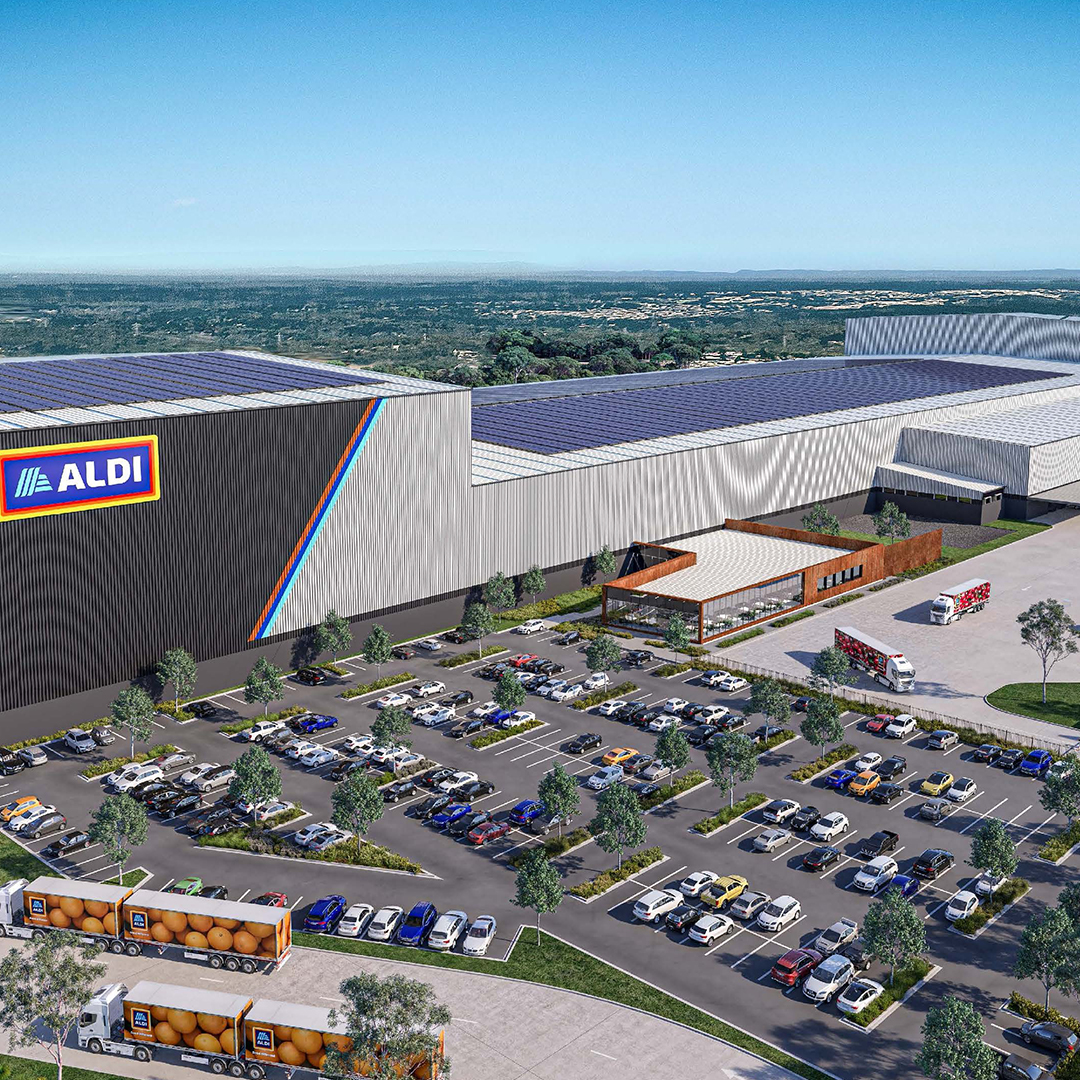
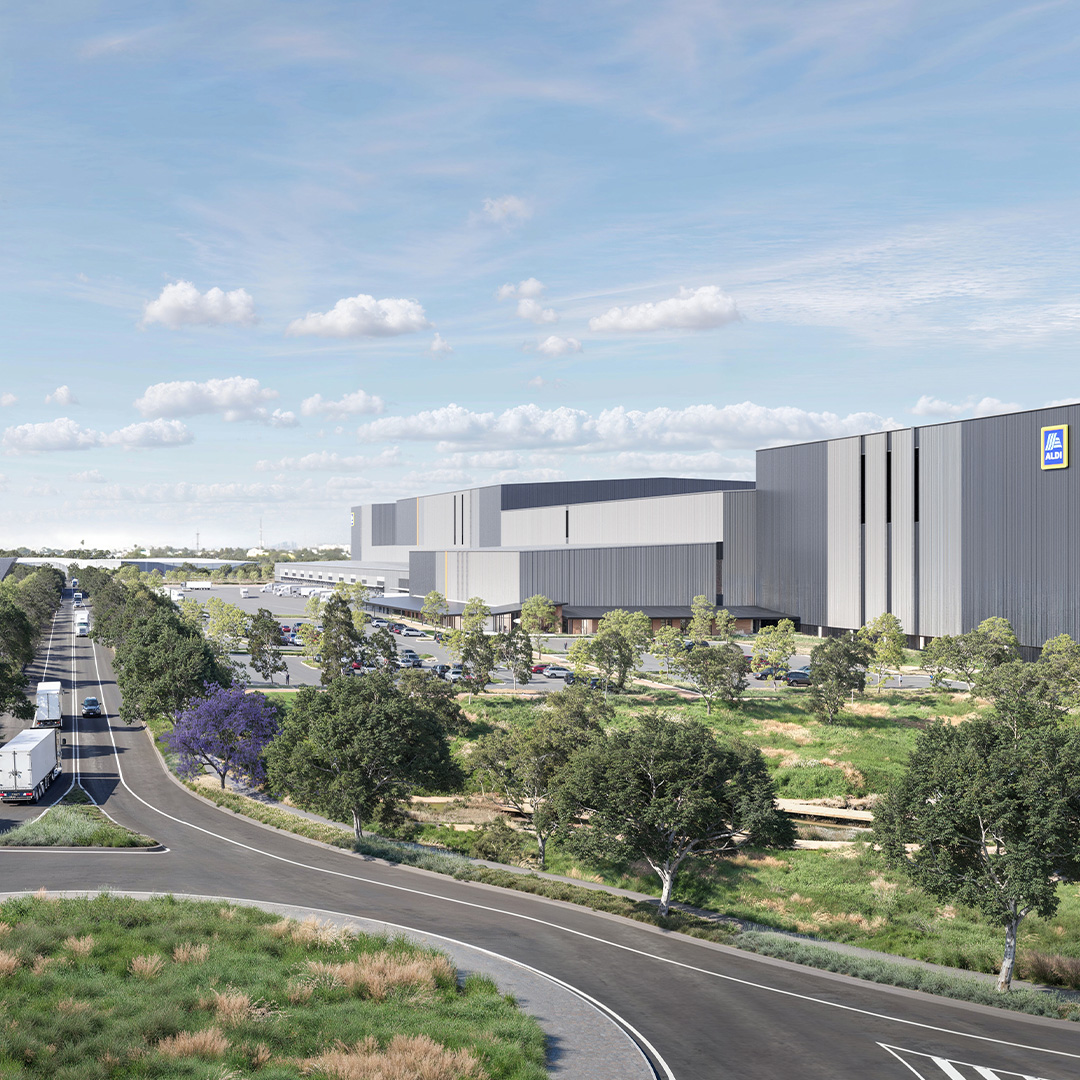
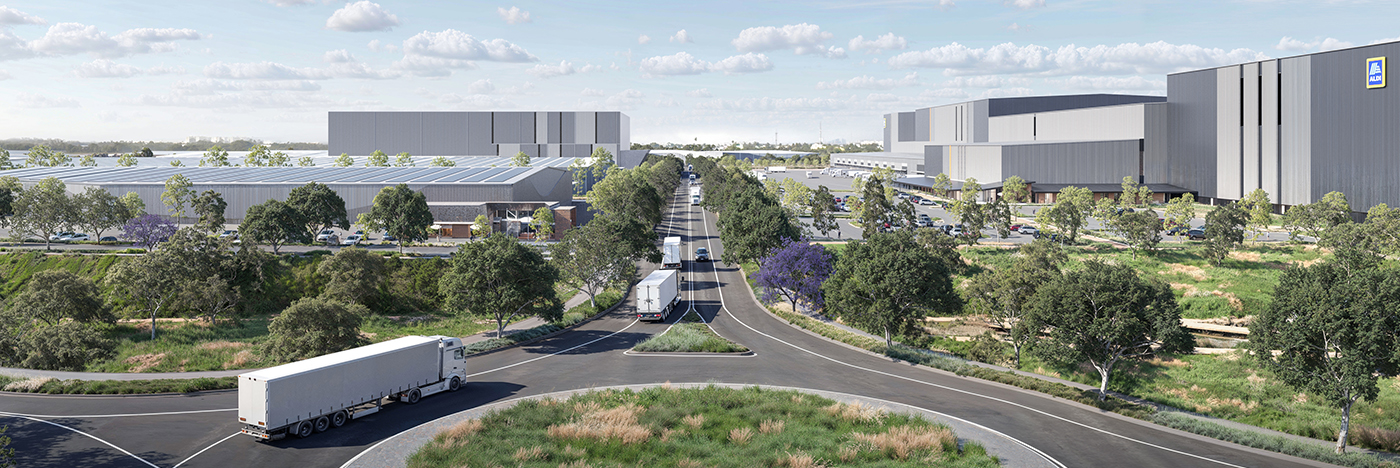
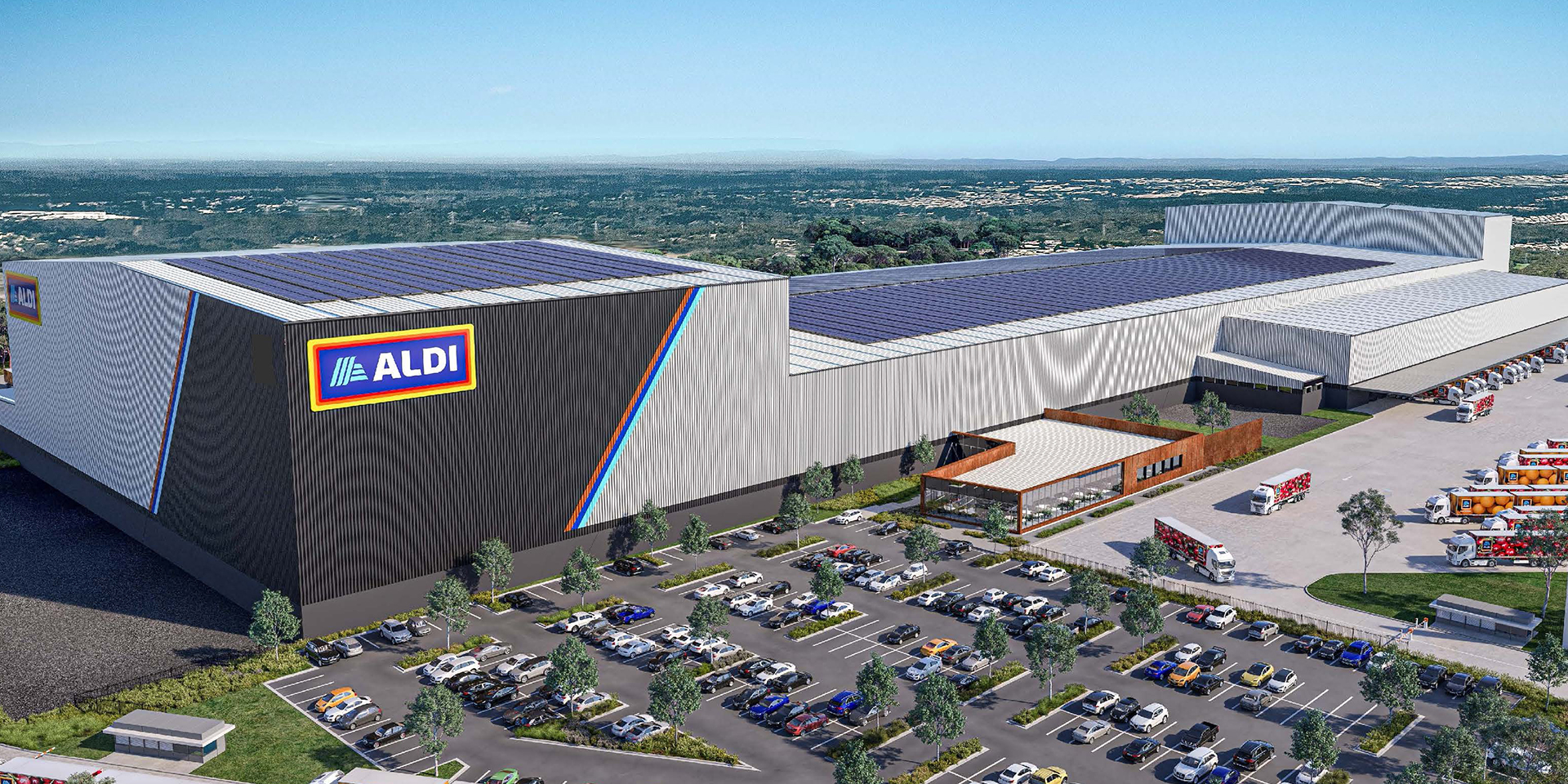
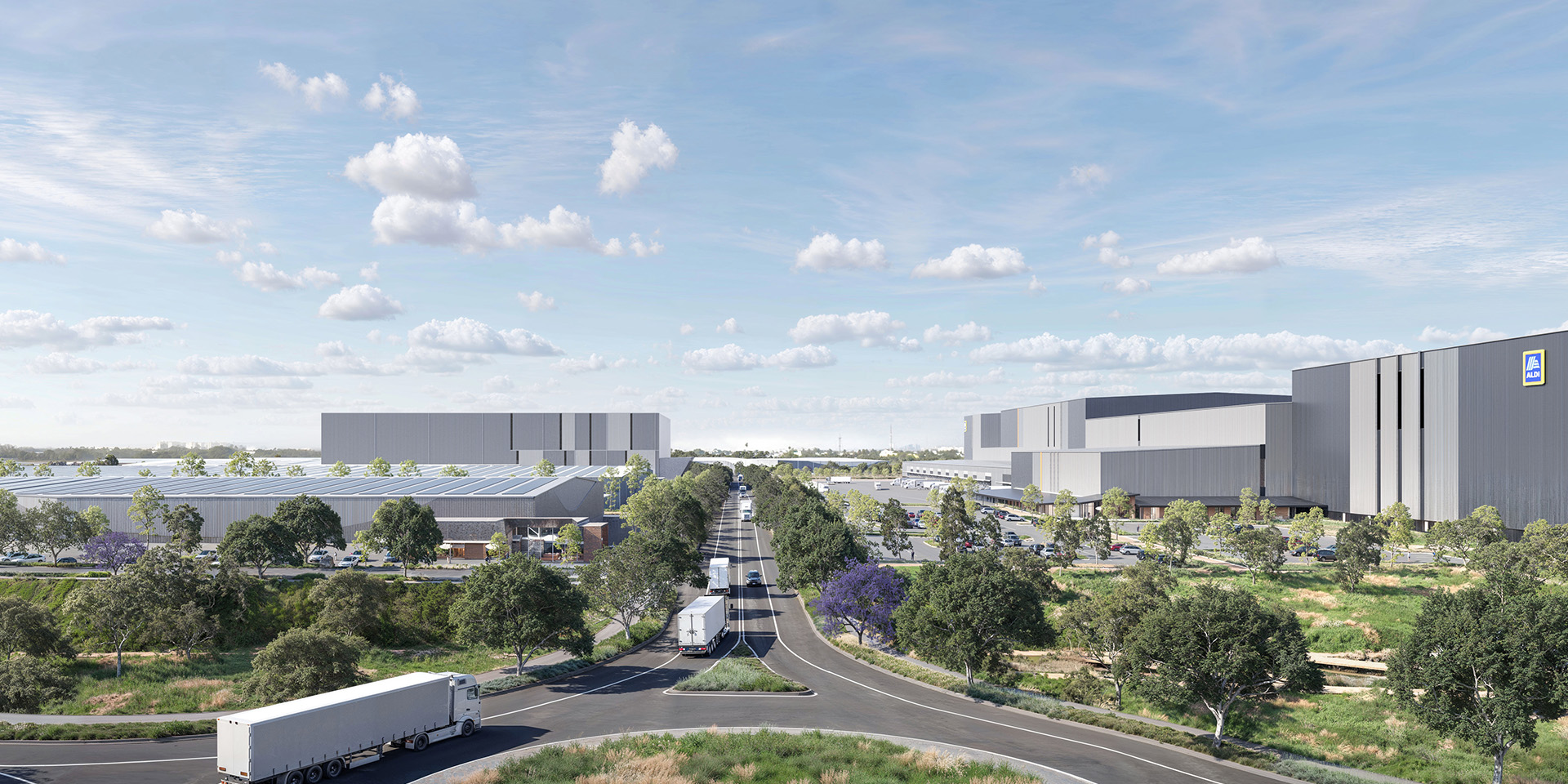
The opportunity relates to the first stage of Ingham Property Group's precinct development at Badgerys Creek, where a A$1 billion logistics project is anchored by German supermarket giant Aldi. The appointment reflects growing demand for large scale, institutionally aligned assets that combine long WALE secure income with exposure to major infrastructure corridors.
A Rare Institutional Grade Asset
At the core of the offering is an 107,000 square metre fully automated distribution centre on a 22 hectare site at 475 Badgerys Creek Road in Bradfield. Purpose built for Aldi, the facility will incorporate advanced handling and distribution systems across ambient, refrigerated and deep freezer environments, highlighting the increasing sophistication of modern supply chains.The asset is underpinned by a 20 year agreement for lease, with four by five year extension options, providing long term income certainty in a tightly held sector.
The design reinforces its positioning. The facility will stretch more than half a kilometre and rise to 47.5 metres, making it one of the largest and most technologically advanced logistics buildings in the country.
From Legacy Landholding to Logistics Hub
The Badgerys Creek site has undergone significant transformation. Originally acquired by the Ingham family in the 1960s for poultry operations, it has been repositioned following the cessation of farming in 2019.Now operating under an Aerotropolis master plan approved in 2022, the estate allows for large scale industrial development, reflecting the broader evolution of Western Sydney into a critical logistics and infrastructure hub.
CBRE Positions a Globally Significant Campaign
CBRE's Industrial and Logistics Capital Markets team is leading the campaign, positioning the opportunity as globally competitive at a time when institutional capital continues to target high quality logistics investments."This opportunity will be regarded as the most superior offering ever put to the market in Australian industrial and logistics history and will be considered globally significant," said Chris O'Brien, Executive Director for Asia Pacific Industrial Capital Markets at CBRE.
The firm has described the project as a super prime asset, pointing to the limited availability of large format, single tenant developments of this scale as occupier demand continues to strengthen.
Strategic Capital Partnership
For Ingham Property Group, the decision to introduce a capital partner reflects both the scale of the project and a broader portfolio strategy."At circa A$1 billion, all in, the quantum of investment demands that we diversify our capital commitment across our portfolio," said Chief Executive Officer Matthew Ramaley, highlighting that the process creates an opportunity for a well-capitalised investor to partner with the family on a 40-year lease cycle.
The offering provides investors with a combination of secure income and exposure to one of Australia's fastest growing industrial precincts.
Aerotropolis Momentum Builds
The project sits within the Western Sydney Aerotropolis, a precinct rapidly transitioning from long term vision to active delivery. Backed by a A$2.9 billion government investment in enabling infrastructure, the area is attracting major occupiers and developers.Nearby commitments from groups including Goodman, ESR and DHL underscore growing confidence in the corridor, while infrastructure such as a 90 megawatt substation supports large scale industrial activity.
A Defining Market Moment
CBRE's appointment underscores a broader shift in the market, where scale, automation and location are defining the next generation of industrial assets.With limited supply of comparable opportunities and strong investor appetite for logistics assets, the campaign stands out as a defining offering for both the Aerotropolis and the future of institutional industrial investment in Australia.

Read More
-
Article | Intelligent Investment
Business Insights | Australian Real Estate Investment Defies Global Headwinds in H1 2026
Australian real estate investment rises 16% in H1 2026 as all sectors record growth despite global uncertainty.
-
Article | Evolving Workforces
Business Insights | 5 Questions for Sam Saghir-Pashley
An insight-led conversation with Sam Saghir-Pashley on navigating global capital markets, building a career across continents, and why data centres and industrial assets are attracting unprecedented investor demand.
-
Article | Intelligent Investment
Business Insights | Brisbane 2032: A Long-Term Catalyst for Industrial & Logistics Growth
Brisbane 2032 is set to strengthen industrial property through infrastructure, growth and freight connectivity.
-
Article | Intelligent Investment
Business Insights | Quick Service Restaurants: A Defensive Asset Class Gaining Momentum
With over $418 million in transactions since 2025 and consistent yields, Australia’s fast-food sector is proving its strength as a defensive, high-demand asset class.

Sector Spotlight on
Industrial
Industrial State of Play
Associated Contact
Head of Industrial & Logistics – Capital Markets, Pacific
Australia's industrial and logistics sector continues to attract strong interest from both domestic and offshore capital, although deployment is becoming more selective. The long term investment thesis remains compelling, supported by structural demand drivers including population growth, supply chain evolution and ongoing ecommerce growth. This is reinforced by some of the lowest vacancy rates across the Asia Pacific region and persistent supply constraints in key markets. Together, these factors continue to provide a favourable backdrop.
The eastern seaboard remains the primary focus for capital deployment, with Sydney continuing to stand out as the most sought after market. Deep liquidity, significant barriers to new supply and enduring occupier demand continue to underpin investor conviction. Melbourne and, to a lesser extent, Brisbane remain impacted by foreign investor taxation settings. Increasingly, groups are exploring structuring, capital solutions and exemption pathways to improve investment efficiency and facilitate re engagement with these markets. Notwithstanding these taxation headwinds, capital continues to transact in both markets.
Melbourne is leading national investment volumes in H1 2026, demonstrating the depth of buyer demand, the strength of the underlying occupier fundamentals, and importantly, the sheer size of the market. Brisbane has similarly continued to attract institutional and private capital, supported by favourable demographic trends, infrastructure investment and a growing logistics footprint. Adelaide and Perth are also attracting increasing attention as investors seek exposure to compelling economic growth stories, infrastructure investment and comparatively favourable tax settings. Several key investment themes have emerged throughout 2026.
Several key investment themes have emerged throughout 2026. Most notably, a clear flight to quality has re emerged, with capital gravitating towards modern, institutional grade logistics facilities in core infill locations. Demand remains strongest for super prime assets offering scale, functionality and strong locational attributes, while appetite for secondary product has become increasingly selective. Income security has also returned to the forefront of investor decision making. As rental growth stabilises following a prolonged period of exceptional performance, investors are placing greater emphasis on covenant strength, lease duration and the durability of cash flow rather than relying solely on rental reversion. This shift has contributed to a resurgence in corporate sale and leaseback activity, with owner occupiers increasingly recognising the opportunity to unlock capital while retaining operational control of strategically important facilities.
This shift has contributed to a resurgence in corporate sale and leaseback activity, with owner occupiers increasingly recognising the opportunity to unlock capital while retaining operational control of strategically important facilities. Competition from alternative asset classes is also influencing investment and land markets. In particular, the rapid expansion of the data centre sector continues to place upward pressure on land values and development rates, especially within power constrained precincts where suitable sites remain scarce. Access to power infrastructure is increasingly becoming a critical determinant of value across key industrial markets.
While investor behaviour has become more disciplined, Australia continues to be viewed as one of the most attractive industrial and logistics markets globally. Capital remains robust, albeit increasingly selective, with investors continuing to be drawn to the sector's defensive income characteristics, resilient occupier fundamentals and long-term growth outlook. The capital is there, but it is increasingly selective and patient.

5 Questions For: Sam Saghir-Pashley
More from Industrial
-
Article | Intelligent Investment
Business Insights | Property Spotlights From Industrial

A look at landmark industrial, logistics and life sciences deals driving capital markets activity in Australia.
-
Article | Intelligent Investment
Business Insights | Brisbane 2032: A Long-Term Catalyst for Industrial & Logistics Growth
Brisbane 2032 is set to strengthen industrial property through infrastructure, growth and freight connectivity.

Sector Spotlight on
Private Wealth
Private Wealth Outlook
Associated Contact
Head of Private Wealth – Capital Markets, Pacific

Five Observations Defining Australia's Private Wealth Market
Commercial property is no longer the domain of experienced investors or large family offices. We're advising first-time commercial buyers, SMSF investors, business owners, high-net-worth families and sophisticated family offices alike. The breadth of investors entering the market today is unlike anything we've experienced previously, and with that comes a greater expectation of education, strategy and long-term advice.
Australia is entering the largest intergenerational transfer of wealth in its history, with an estimated $4.7 trillion expected to pass between generations over the coming decades. The next generation is inheriting more than capital. They're inheriting responsibility. They're more diversified, more informed and increasingly focused on building portfolios that generate sustainable income while preserving wealth across generations. Recent Federal Budget changes have also encouraged many investors to reassess traditional residential investment strategies, while commercial property continues to retain attractive depreciation benefits and compelling income characteristics.
One of the biggest misconceptions about commercial property is that it is simply a yield play. In reality, quality assets create wealth through multiple drivers including secure income, rental growth, capital appreciation and replacement value. The sale of the Reece Plumbing property in Jamisontown, NSW demonstrates this, transacting from $13.25 million in February 2024 to $15.2 million in June 2026 while delivering stable income. At the same time, rental growth is strengthening across many sectors. Rising construction costs, planning constraints and limited new supply are making quality assets harder to replace, supporting higher rents and capital values. In many cases, assets are being acquired below replacement cost.
Perhaps the biggest change has little to do with property itself. Private wealth investors increasingly expect the same quality of advice that was once reserved for institutional landlords. Whether they're buying their first commercial investment or managing a national portfolio, clients want integrated advice across acquisitions, debt, leasing, research, asset management and succession planning. They're no longer looking for someone to sell them a property. They're looking for a trusted adviser to help them build a portfolio.
Healthcare, childcare, supermarkets, convenience retail and fast food continue to attract the strongest private wealth demand, supported by resilient tenant covenants and long-term population and policy tailwinds. These sectors remain among the least cyclical, with many high-quality assets tightly held for decades, creating ongoing scarcity. More broadly, the private wealth market is evolving. Investors are becoming more sophisticated, demanding better advice and focusing less on individual acquisitions and more on building diversified portfolios. The conversation has shifted from what to buy to how to build long term, sustainable wealth, which is now shaping the market.

Private Wealth Property Spotlight

Quick Service Restaurants: A Defensive Asset Class Gaining Momentum

Sector Spotlight on
Agribusiness
Agribusiness Outlook
Associated Contact
Head of Agribusiness – Capital Markets, Pacific

The Australian agribusiness property market is currently in a period of stabilisation following an extended phase of strong growth earlier in the decade. After double digit annual rural land value increases between 2020 and 2022, the market has shifted into a more measured cycle defined by moderated growth, increased buyer selectivity and reduced transaction volumes. Nationally, farmland values have plateaued over the past 12 months, with growth rates now among the lowest in more than a decade. In some regions, short term softening has emerged as the market recalibrates to changing economic conditions.
During the first half of 2026, Australian farmers faced significant cost pressures that impacted decision making and margins. The Middle East conflict and closure of the Strait of Hormuz drove global urea prices up more than 70% and pushed diesel above $3 per litre at a critical point in the planting cycle. As a result, transport and freight costs rose sharply, and in some cases, crops were left unharvested. At the same time, higher interest rates reduced purchasing power, leading to a more cautious investment environment, with buyers increasingly focused on high-quality assets offering reliable income, scale and strong productivity fundamentals.
A defining feature of the current market is the emergence of a two-speed dynamic, with performance varying across regions and asset classes. Livestock properties in high rainfall areas, supported by strong commodity prices, have shown greater resilience. In contrast, some cropping regions have experienced softer conditions, particularly where seasonal variability and weaker commodity pricing have impacted returns.
Demand remains strong for poultry farming assets with long term grower agreements, offering consistent cashflow and controlled production environments. This is attracting private growers, corporates and institutional capital. Almond orchards are also drawing interest due to favourable commodity pricing, while properties located in carbon farming regions and renewable energy zones continue to see steady demand.
Looking ahead, the outlook remains positive but more measured. While short term growth is expected to stay modest, core fundamentals remain strong. Australia continues to benefit from its reputation as a reliable exporter of high-quality agricultural products, supported by global demand. Limited supply of productive land is expected to underpin values over the medium to long term. The market is best characterised by stability and selectivity, with high-quality assets continuing to attract disciplined but active capital.

Agribusiness Property Spotlight

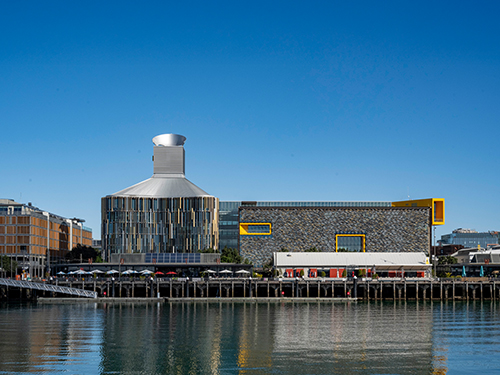
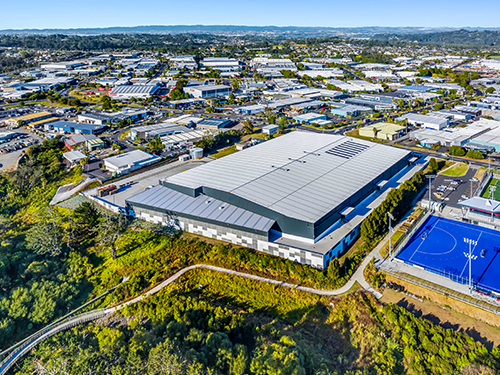
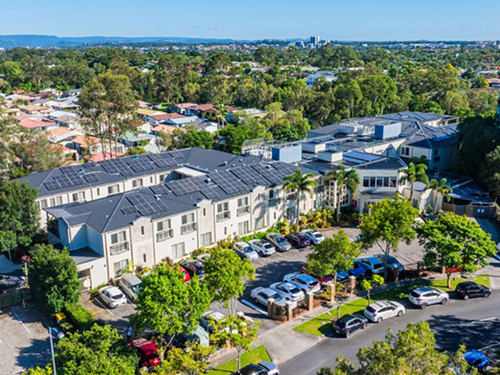
A Selection of Recent Needle Moving Transactions from CBRE
Needle Movers

Q2 Statistics

Private Wealth Auction Results

One Capital Markets Team
Connect with Capital Markets
Ingrid Filmer
Senior Managing Director, Capital Markets - Private Wealth, Australia

Mark Granter
Head of Alternatives – Capital Markets, Pacific & Executive Managing Director – Client Care, Pacific

John Harrison
Head of Agribusiness – Capital Markets, Pacific
Trent Hobart
Head of Development – Capital Markets, Pacific

Chris O'Brien
Head of Industrial & Logistics – Capital Markets, Pacific
Andrew Purdon
Head of Living Sectors – Capital Markets, Pacific

Simon Rooney
Head of Retail – Capital Markets, Pacific

Michael Simpson
Head of Hotels – Capital Markets, Pacific

Stuart McCann
Head of Capital Advisors – Capital Markets, Pacific

Andrew McCasker
Head of Debt & Structured Finance – Capital Markets, Pacific

Brent McGregor
Executive Chairman, Capital Markets, New Zealand


Read More
-
Article | Intelligent Investment
Business Insights | Australian Real Estate Investment Defies Global Headwinds in H1 2026
Australian real estate investment rises 16% in H1 2026 as all sectors record growth despite global uncertainty.
-
Article | Evolving Workforces
Business Insights | 5 Questions for Sam Saghir-Pashley
An insight-led conversation with Sam Saghir-Pashley on navigating global capital markets, building a career across continents, and why data centres and industrial assets are attracting unprecedented investor demand.
-
Article | Intelligent Investment
Business Insights | Brisbane 2032: A Long-Term Catalyst for Industrial & Logistics Growth
Brisbane 2032 is set to strengthen industrial property through infrastructure, growth and freight connectivity.
-
Article | Intelligent Investment
Business Insights | Quick Service Restaurants: A Defensive Asset Class Gaining Momentum
With over $418 million in transactions since 2025 and consistent yields, Australia’s fast-food sector is proving its strength as a defensive, high-demand asset class.