Article
Six of 11 Canadian Cities Saw Positive Net Office Leasing In Q1
April 7, 2026 4 Minute Read

Canadian office markets started 2026 on a strong note with six of the 11 cities recording positive net leasing in the first quarter, totaling 2.1 million sq. ft. nationwide. This pushed the national downtown office vacancy rate down to 18.2%, according to CBRE’s Q1 2026 Canada Office Figures.
Toronto drove office leasing momentum once again, recording 1.9 million sq. ft. of net absorption in Q1, which dropped the city’s downtown vacancy rate to 14.4% versus 18.3% during the same period a year ago. This is the third quarter in a row that Toronto reported net absorption exceeding 1.0 million sq. ft.
Downtown Montreal saw 141,000 sq. ft. of positive net absorption and Winnipeg had 111,000 sq. ft. of office space absorbed in its downtown. Vancouver has logged two straight quarters of positive net absorption on an overall market basis, while Halifax continued an impressive 16-quarter streak of positive net absorption.
Ottawa is the only city moving in the opposite direction, mostly due to large blocks of federal government offices being vacated. (Though there are hopes that the recent federal return-to-office mandate will translate into burgeoning office demand in mid-to-late 2026.)
“To date, the office recovery has largely been a Toronto story, but Q1 was the quarter where tenant demand appears to be beginning to spread to other cities and beyond trophy buildings,” says Marc Meehan, CBRE Canada’s Research Managing Director.

Return to Office Creates Optimism
Growing return-to-office expectations, particularly in Toronto, are creating a renewed sense of optimism for downtown office markets. Seven of 11 markets saw declining downtown vacancy in Q1. Halifax (-220 bps), Toronto (-110 bps) and Winnipeg (-100 bps) witnessed the biggest changes. Class A office properties had the most improvement and vacancy in this segment is at its lowest level since 2022, led by Edmonton (-250 bps) and Toronto (-120 bps).
Vacancy in trophy office buildings, the top tier within the Class A segment, has steadily dropped over the last five quarters and in Q1 fell below 10.0% for the first time since 2020. Increasingly fewer large-block vacancies remain within these in-demand buildings.
No new office projects commenced construction in the first quarter while 1.6 million sq. ft. of new supply was delivered nationwide, exceeding the total amount delivered over the entirety of 2025. Toronto’s CIBC Square II, fully pre-leased, accounted for the bulk of this inventory.
An additional 911,000 sq. ft. of inventory is anticipated for delivery over the remainder of 2026, for an annual total of 2.5 million sq. ft. With no meaningful new supply deliveries on the horizon beyond 2026, tenant demand is expected to trickle down to the next-best product tiers.
Conversions at a High
Office conversions are at a record high as seven projects moved forward at the start of 2026, removing nearly 1.5 million sq. ft. from competitive inventory. This is the highest quarter on record for conversion activity based on square footage. Calgary and Halifax each had two properties removed in Q1, with single projects in Vancouver, London and Toronto.
“Toronto often leads the way when it comes to real estate trends and business preferences and this could mean more vibrant downtown cores across the country in the coming year,” says Meehan. “Paired with an increasingly limited development pipeline, fundamentals should continue leading to a more broad-based strengthening in the year ahead.”
Industrial Leasing Driven by Toronto, Waterloo Region
Strong leasing momentum drove national positive net leasing of industrial space in the first quarter to 4.2 million sq. ft., according to CBRE’s Q1 2026 Canada Industrial Figures. This was led by Toronto and Waterloo Region. In Toronto over 1.6 million sq. ft. of net leasing activity occurred within existing stock while most of Waterloo Region’s absorption resulted from pre-leasing of new supply.
The national industrial availability rate plateaued in Q1, holding steady at 5.5%, near the same level as where availability previously stabilized between 2014 and 2016. Every Canadian market has seen industrial availability rates rise year-over-year, except Calgary and Edmonton, which recorded the only decreases in the first quarter.
Toronto Leads Industrial Construction
Industrial construction starts held steady quarter over quarter, with another 5.6 million sq. ft. of new projects launching in Q1. Most construction starts were in Toronto (1.8 million sq. ft.), Vancouver (1.4 million sq. ft.) and Calgary (1.1 million sq. ft.), with these cities accounting for 76.0% of all starts in Q1.
The total construction pipeline rose by 3.9% quarter over quarter to 24.8 million sq. ft. Pre-leasing levels on the construction pipeline eased slightly to 54.6% in the first quarter.
Toronto contributed the largest amount of new industrial supply in Q1, accounting for 40.9% of the national total, followed by Waterloo Region with 20.0%. Speculative projects accounted for two-thirds of the deliveries in Q1; 1.5 million sq. ft., or just over half of these, were in Toronto.
“Despite persistent economic uncertainty, leasing demand for industrial real estate has so far remained resilient,” Meehan says. “A weaker economic outlook could present a challenge for leasing demand going forward, but Canadian industrial fundamentals have the market in a strong position for whatever the future holds.”
Recent Insights
-
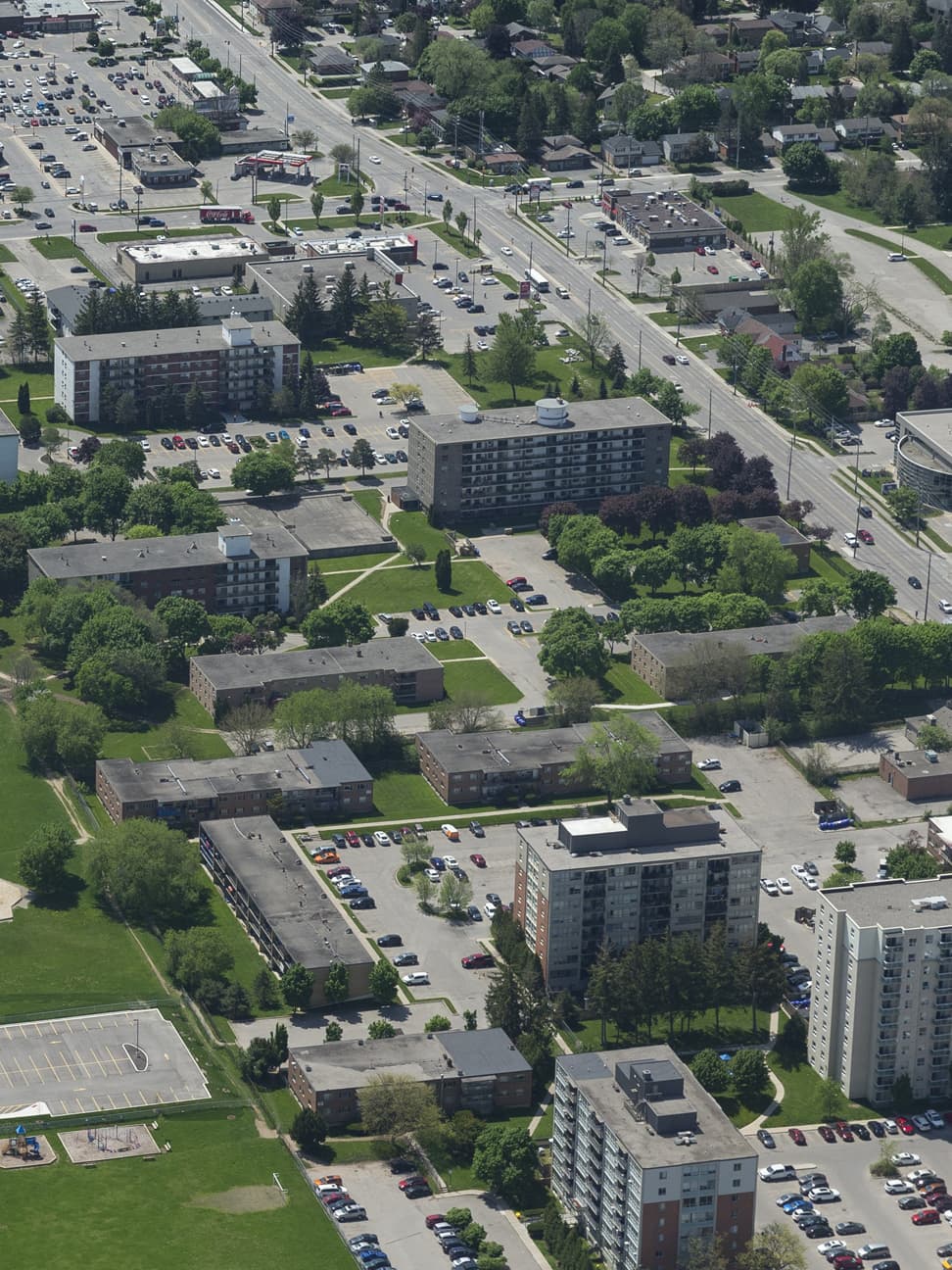
Venkat Ramadoss and Kai Tai Li of CBRE’s National Investment Team have sold a nine-building, 558-unit apartment complex in London, ON, to Pier 4 Real Estate Investment Trust for $102.5 million.
-

CBRE’s Todd Cooney has sold the Accelerator Building, a 93,000 sq. ft. office building and leading innovation hub at 295 Hagey Blvd. in Waterloo Region.
-
Canada's office market strengthened in Q1 2026 with 2.1M sq. ft. of positive net leasing, led by Toronto. Industrial leasing also saw strong momentum.
Stay In The Know
Subscribe today and join hundreds of professionals who get the latest blogs delivered straight to their inbox.